Five Common Nutritional Pitfalls When Losing Bodyfat.
Trying to get leaner usually means losing body fat while preserving or improving strength and movement quality. Nutrition is the primary driver of fat loss, but common mistakes can slow progress, undermine performance, and increase the risk of muscle loss or injury. Here are the five most common nutritional pitfalls we see and how to fix them.
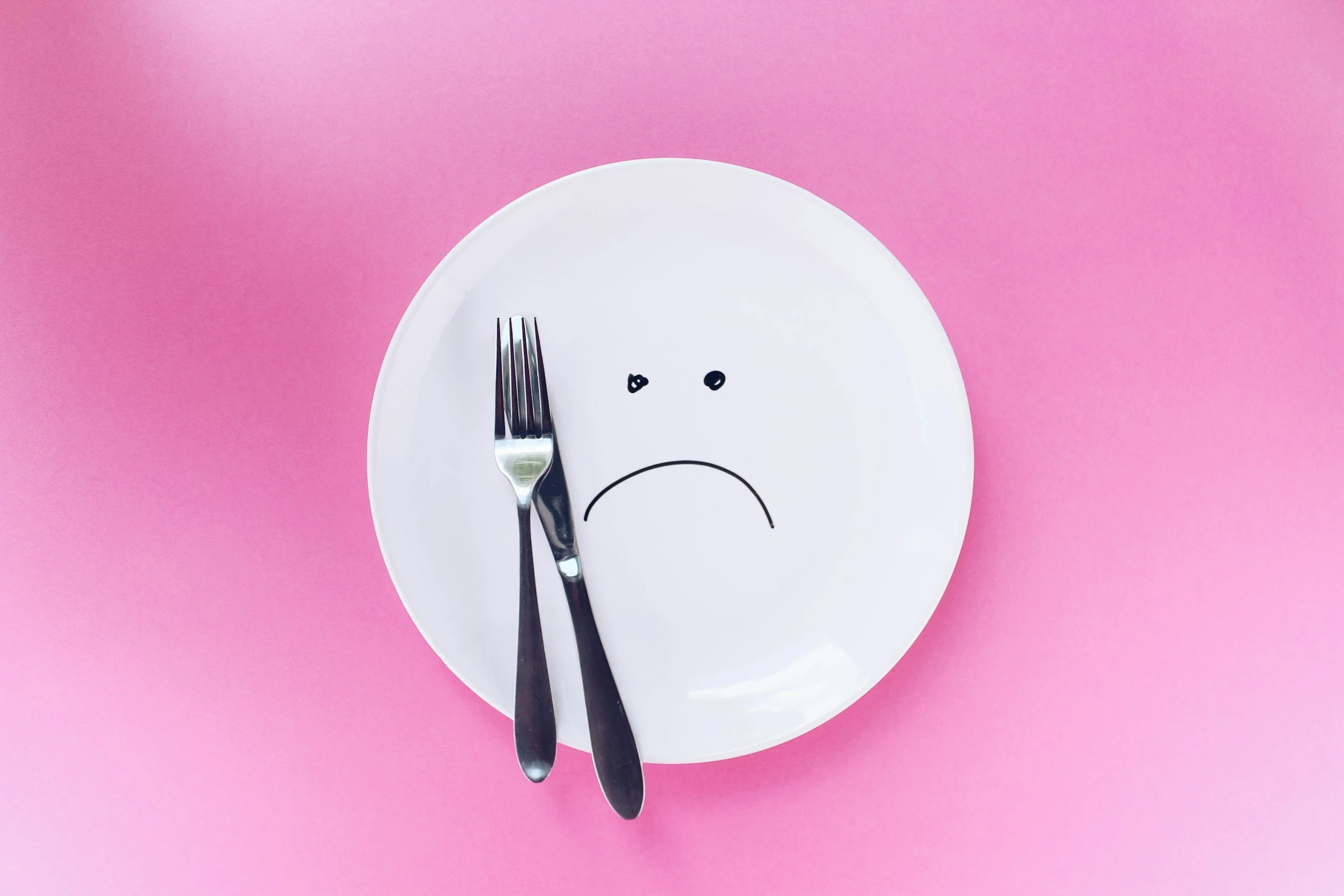
1. Undereating (especially protein and overall energy)
Why it’s a problem: Eating too little slows metabolism, reduces training performance, increases fatigue, and raises the risk of losing muscle mass. When energy intake is excessively low, your body adapts by lowering resting metabolic rate and prioritizing survival over progress.
Common signs: Constantly tired, poor gym performance, stalled weight loss for weeks despite strict dieting, hair loss, irritability, trouble recovering from sessions.
How to fix it: Estimate your maintenance calories and start with a moderate deficit (about 10–20% below maintenance). Prioritize adequate protein (aim for roughly 1.6–2.2 g/kg bodyweight per day). If you’re very active or older, lean toward the upper end. Adjust calories based on weight and performance trends rather than extreme restriction.

2. Ignoring protein timing and distribution
Why it’s a problem: Total daily protein matters most, but poor distribution reduces effective muscle protein synthesis across the day. Eating most protein in one meal limits how well your body can use it to preserve and build muscle.
Common signs: Losing strength while dropping weight, low satiety between meals, uneven energy across the day.
How to fix it: Spread protein across 3–5 meals, aiming for 20–40 g of high-quality protein per meal depending on body size. Include a protein-rich meal or snack within 1–2 hours after training to support recovery. Choose complete protein sources: lean meats, fish, eggs, dairy, tofu, tempeh, and legumes combined with grains.
3. Over-reliance on cardio and underestimating resistance training

Why it’s a problem: Relying primarily on cardiovascular exercise and cutting calories without strength training promotes muscle loss and lowers metabolic rate, making it harder to maintain a lean physique.
Common signs: Losing inches but not looking firmer, clothes fitting oddly, drop in strength, fatigue during workouts.
How to fix it: Combine a moderate calorie deficit with consistent resistance training (2–4 sessions/week at minimum). Nutrition should support this: prioritize protein, ensure energy availability around training, and include carbohydrates to support performance in heavier sessions.

4. Neglecting micronutrients and fibre
Why it’s a problem: Restrictive diets that prioritize calorie counting but ignore micronutrients and fiber can lead to poor digestion, reduced satiety, low energy, and suboptimal recovery or immune function.
Common signs: Constipation or irregular digestion, low energy, more frequent illness, cravings for sugary or salty foods.
How to fix it: Fill your plate with nutrient-dense whole foods—vegetables, fruits, whole grains, nuts, seeds, legumes, lean proteins, and healthy fats. Aim for a variety of colors and types to cover vitamins and minerals. Target 25–35 g of fiber per day (adjust if you have specific digestive conditions), and consider a basic multivitamin if your diet is very restricted or you have known deficiencies.

5. Chasing perfection and skipping sustainable habits
Why it’s a problem: Short-term extreme approaches (fad diets, cutting entire food groups unnecessarily, or excessive tracking) can produce quick results but are rarely maintainable. Cycling between strict and relaxed periods often results in weight rebound, frustration, and maladaptive eating behaviours.
Common signs: Quick initial weight loss followed by regain, mood swings around food, anxiety about eating socially, rapid diet changes.
How to fix it: Build a sustainable eating pattern that fits your lifestyle. Use progress-focused metrics: strength, how clothes fit, energy and movement quality—alongside body composition trends. Allow flexibility for social meals and occasional treats while maintaining consistency with protein, vegetables, and regular meals. Plan for slow, steady fat loss (0.5–1% bodyweight per week for many people) rather than extreme short-term goals.
Practical checklist to avoid these pitfalls
Calculate a realistic calorie target and aim for a moderate deficit.
Prioritize daily protein (1.6–2.2 g/kg) and distribute it evenly across meals.
Combine resistance training with cardio for best results.
Emphasize whole foods rich in micronutrients and aim for adequate fiber.
Choose a sustainable approach you can maintain long term; track trends, not single days.
Closing note Getting leaner is about more than lowering the number on the scale—it’s about preserving strength during the process.